Change the Way You See the World
Kugler Vision offers effective solutions for clear vision at any stage of life. Our doctors will determine the best option that meets your specific needs, based on the results of an EyeAnalysis. Find out which procedure is right for you by contacting us to schedule a consultation.

Cataracts
As you age, the crystalline lens in your eye becomes cloudy and dark and blocks the passage of light. This is called a cataract. Cataracts develop slowly and are painless. They often go unnoticed until a doctor discovers them during an annual eye exam. As cataracts worsen, symptoms increase: blurry vision, dimmed color vision with a yellow tint, light sensitivity, halos, glare, poor night vision, and vision changes that can’t be corrected with glasses or contact lenses. Cataracts can be corrected with laser cataract surgery.
Dry Eye
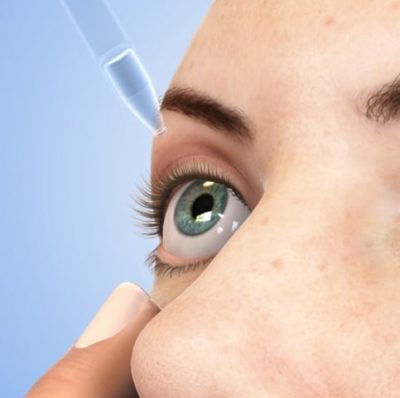
Dry eye syndrome is one of the most underdiagnosed issues and affects an estimated 23 million people in America. Dry eye syndrome is when you suffer from a lack of tear production needed to properly lubricate the eyes. The natural tears you produce provide both a protective barrier and the adequate moisture needed to maintain comfort and clear vision. Without the appropriate levels of lubrication, eyes cannot function properly. The solution for dry eye syndrome is LipiFlow.
Contact Lens Intolerance
Common Vision Conditions
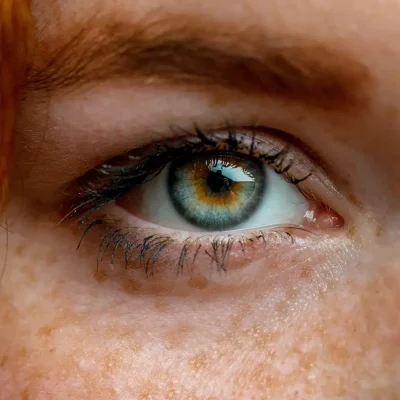
Vision works through a precise process where light enters the cornea and pupil, gets focused by the eye’s natural lens onto the retina, and converts into electrical signals sent to the brain via the optic nerve — but the eye’s exact size and shape can cause refractive errors that disrupt this system. Myopia (nearsightedness) makes distant objects blurry due to a too-rounded cornea or elongated eyeball, hyperopia (farsightedness) makes close objects blurry from a flat cornea or short eye, and astigmatism distorts all objects because of an irregularly shaped cornea. Additionally, everyone eventually develops dysfunctional lens syndrome (DLS): stage 1 is presbyopia (blurry near vision starting in the 40s–50s as the lens stiffens), stage 2 occurs in the 50s as the lens yellows and reduces overall clarity, and stage 3 is cataracts (typically in the 60s and beyond), where the lens becomes cloudy enough to require treatment.