






Overview
What is Laser Cataract Surgery?
A cataract forms when the eye’s natural lens becomes cloudy, causing vision to blur, dim, or take on a yellowish tint. It is not a growth on the eye or a film over the surface. The lens itself changes, and no glasses or medication can reverse it. Surgery is the only solution. Laser cataract surgery is an advanced form of this procedure that replaces the manual steps of traditional cataract surgery with a computer-guided femtosecond laser, delivering greater precision in the incisions, the capsulotomy, and the initial softening of the lens before removal. When combined with today’s premium intraocular lens technology, laser cataract surgery does more than restore clear vision. It gives patients the opportunity to see better across a range of distances than they may have in years, often reducing or eliminating dependence on glasses altogether. If you have been living with cloudy, dimmed vision, struggling to drive at night, or watching your glasses prescription change year after year without lasting improvement, laser cataract surgery at Kugler Vision may be the most meaningful thing you do for your vision and your quality of life.

Why It Works
Benefits of Laser Cataract Surgery
Cataract surgery is among the most performed procedures in medicine. The laser-assisted approach takes what was already a safe and effective procedure and raises the standard further. Here is what that means for patients:
Greater surgical precision: The femtosecond laser creates incisions and performs the capsulotomy with computer-guided accuracy that cannot be replicated by hand. This precision improves the centering and alignment of the IOL and contributes to better visual outcomes.
Vision correction at the same time: Laser cataract surgery is not just about removing the cataract. With today’s premium IOL options, patients can simultaneously correct nearsightedness, farsightedness, astigmatism, and presbyopia, often reducing or eliminating their need for glasses of any kind.
Faster healing and reduced risk: Laser-created incisions are more consistent and reproducible than manual incisions, which can reduce healing time and lower the risk of complications during the recovery period.
Quick return to daily life: Most patients return to normal daily activities the day after their procedure. The procedure itself typically takes 10 to 15 minutes per eye.
Our Difference
Why Choose Kugler Vision for Laser Cataract Surgery
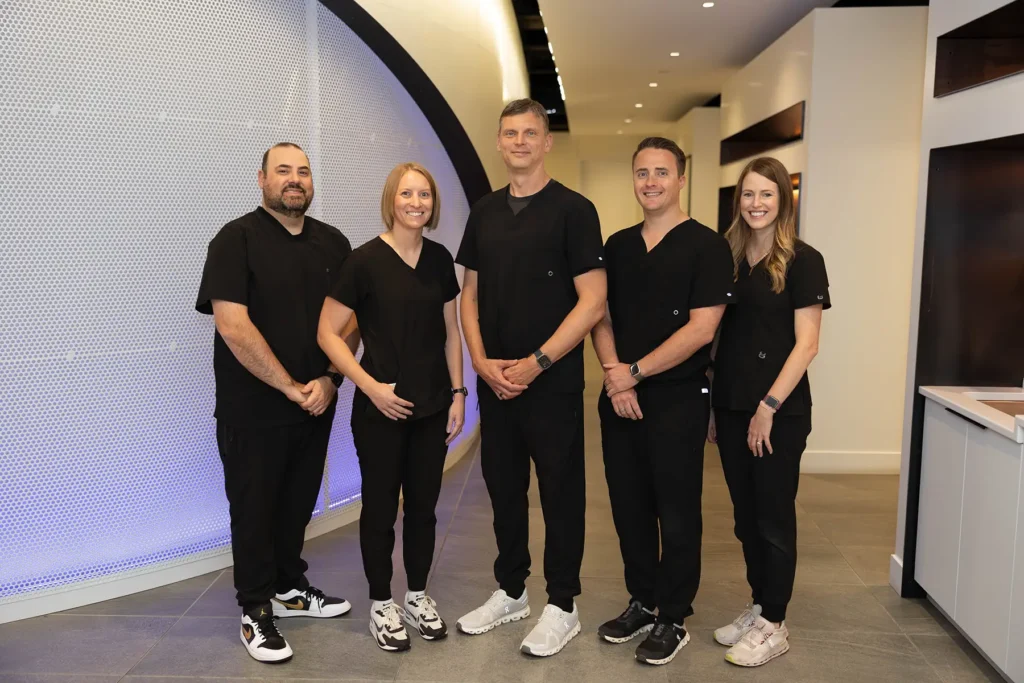
When cataract surgery also involves selecting a premium IOL and using advanced laser technology, the quality of the surgical team and their diagnostic process matters enormously. At Kugler Vision, cataract surgery is not a volume procedure. It is a precision procedure performed by fellowship-trained surgeons with access to the most advanced technology available.
The complete premium IOL system: Kugler Vision offers the full range of advanced lens technology including Light Adjustable Lenses, multifocal, extended depth of focus, toric, and accommodating IOLs. Most practices offer some of these options. We offer all of them, and our surgeons match the right technology to each individual patient rather than defaulting to one lens type.
Laser precision plus real-time verification: Our approach combines femtosecond laser accuracy for the surgical steps with ORA System guidance during the procedure to confirm lens selection and placement in real time. These two technologies together create a level of consistency no manual approach can achieve.
ORA-guided intraoperative verification: The ORA System adds a layer of real-time confirmation during surgery, measuring your eye after the cataract is removed to verify that the IOL selected pre-operatively is the right choice and that placement is optimal.
Post-operative care built for lasting results: We schedule follow-up appointments at one day, one week, one month, three months and six months after your procedure. Cataract surgery is not complete the moment the IOL is placed. The weeks and months that follow are where your final visual outcome is confirmed and fine-tuned.
Meet Your Surgeons
Meet Your Cataract Surgeons in Omaha
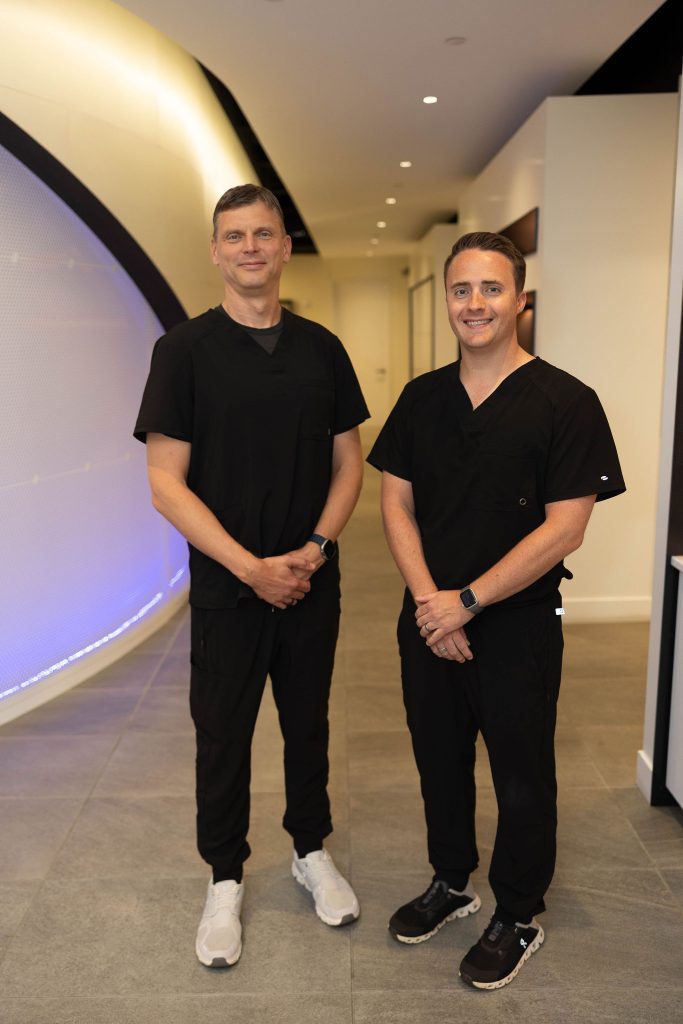
Lance Kugler, M.D.
Lance Kugler, MD is Omaha’s most experienced refractive surgeon and one of the most credentialed in the country. Fellowship-trained at the Wang Vision Institute under world-renowned corneal surgeon Dr. Ming Wang, Dr. Kugler served as Director of Refractive Surgery at the University of Nebraska Medical Center, where he led both resident education and clinical research programs. A published researcher in peer-reviewed journals including the Journal of Refractive Surgery and Cataract and Refractive Surgery Today, national board member, and Board Certified Fellow of the World College of Refractive Surgery and Visual Sciences, Dr. Kugler’s expertise in premium IOL selection is grounded in both extensive clinical experience and published research in this specific area.
Drew Dickson, M.D.
Drew Dickson, MD, PCEO brings a rare combination of surgical expertise and executive leadership to the Kugler Vision team. Board-certified in cataract and refractive surgery and a Fellow of the World College of Refractive Surgery and Visual Sciences, Dr. Dickson completed his ophthalmology residency at the Storm Eye Institute at the Medical University of South Carolina, a top-10 residency program, before completing his refractive surgery fellowship directly under Dr. Kugler at Kugler Vision. He also completed the Physician CEO program at the Kellogg School of Management at Northwestern University, the same executive training that distinguishes Dr. Kugler’s leadership approach and reflects Kugler Vision’s commitment to excellence both in and out of the operating room. Dr. Dickson takes a deeply patient-centered approach, partnering with each patient to develop a customized vision correction plan tailored to their individual needs and goals.
11x
Best of
Omaha
1K+
5-Star
Reviews
47
States
Served
The Procedure
How Does Laser Cataract Surgery Work?
Laser cataract surgery is an outpatient procedure that takes approximately 10 to 15 minutes per eye, with each eye typically treated in a separate session about one week apart. Here is what to expect from start to finish.
1. EyeAnalysis™ Confirmation
Your pre-operative measurements are reviewed and your IOL selection is confirmed. The laser system is programmed with your individual treatment parameters before your procedure begins.
2. Numbing & Preparation
Anesthetic eye drops are applied so you feel no pain. A mild sedative is available. You will be comfortably positioned under the laser system with a gentle interface placed on your eye.
3. Laser-Assisted Steps
The femtosecond laser creates the corneal incisions, performs the capsulotomy, and softens the cataract into small fragments. These steps, previously done manually, are now executed with sub-micron computer-guided precision.
4. Cataract Removal
Your surgeon uses gentle ultrasound energy to remove the softened lens fragments through the small incision. The incision is self-sealing and typically requires no stitches.
5. ORA Measurement and IOL Implantation
With the cataract removed and a clear view of your eye, the ORA System takes real-time measurements to confirm the ideal IOL. Your surgeon implants the selected lens, which unfolds into position within the lens capsule. Most patients notice improved vision before leaving the procedure room.
Ideal Candidates
Who is a Good Candidate for Laser Cataract Surgery?
When a cataract has progressed to the point of meaningfully affecting your daily vision and quality of life, surgery becomes the right conversation to have. The timing and best approach for your specific eyes are confirmed through a thorough EyeAnalysis™ evaluation. General candidacy guidelines include:
Adults experiencing blurred, dimmed, or discolored vision that cannot be adequately corrected with updated glasses or contact lenses
Those finding that cataracts are interfering with daily activities such as driving, reading, or recognizing faces
Patients interested in reducing or eliminating glasses dependence, who may benefit from premium IOL technology
Those with astigmatism, who can have it corrected simultaneously with a toric IOL
Patients who previously had LASIK or other vision correction and now have cataracts, who require specialized biometry to ensure accurate IOL power selection
“The conversation I find most rewarding with cataract patients is the one where I get to tell them this is not just about removing a cataract. With the technology available today, we can often give people the best vision they have had in decades. That changes how patients think about the decision, and it changes the outcome they walk away with.” — Lance Kugler, MD

Laser Cataract Surgery Technology
The Technology Behind Your Procedure
Kugler Vision offers the most advanced combination of laser, guidance, and IOL technology available for cataract surgery. Each component plays a specific role in achieving the best possible outcome for each patient.
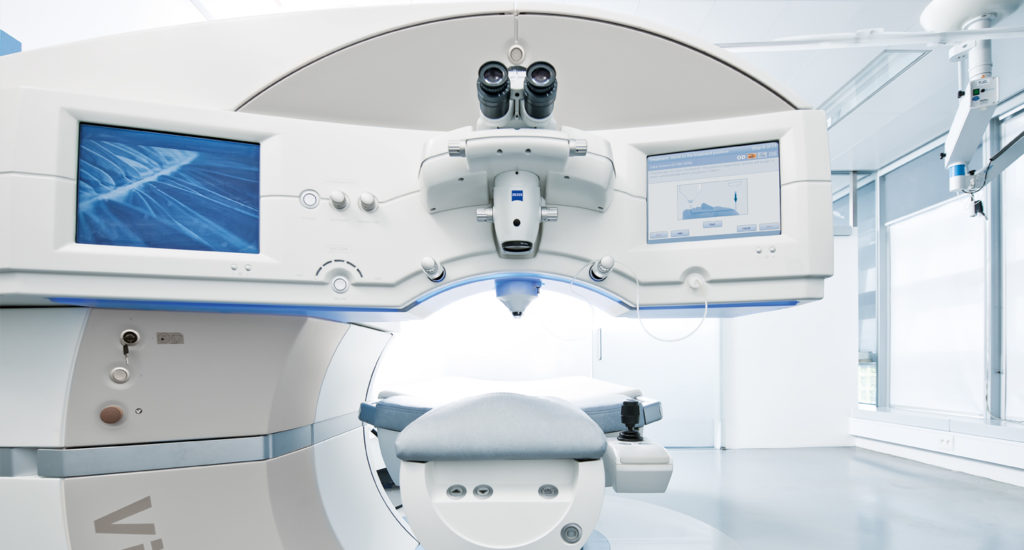
LensAR Ally Robotic Cataract Laser System
The LensAR Ally robotic cataract laser uses Augmented Reality 3D imaging to plan and execute laser steps with exceptional precision. Its proprietary 3D eye model detects lens tilt and identifies the visual axis to guide every incision in real time.
NGenuity 3D Augmented Reality Imaging System
The NGenuity system replaces the traditional surgical microscope with a high-definition stereoscopic heads-up display, delivering greater magnification, extended depth of field, and reduced light exposure during surgery. Paired with the LensAR Ally, NGenuity gives Kugler Vision a fully digital, image-guided cataract platform no single-system practice can match.
What to Expect
Laser Cataract Surgery
Recovery and Results
Recovery from laser cataract surgery is typically straightforward, and most patients are back to their normal routine within a day or two. Here is what to expect.
Day
1
You will need a driver to take you home on your procedure day. Most patients notice significantly improved vision by the morning after surgery and attend a brief follow-up appointment at which most are cleared to drive and return to work. Some mild scratchiness, light sensitivity, or tearing is normal and resolves within the first few days.
Week
1
Your second eye is typically treated approximately one week after the first. Between procedures, follow your prescribed drop schedule carefully to support healing in the first eye. Most patients are comfortable and functioning normally throughout this period.
Weeks
2-4
Both eyes have been treated and vision continues to sharpen and stabilize. Patients with multifocal or EDOF IOLs are adapting to their new range of vision. Avoid swimming for one week and contact sports for several weeks as directed by your surgeon.
Long-Term
10+
Laser cataract surgery results are permanent. The IOL does not change over time. Post-operative appointments at one day, one week, one month, three months, and six months to ensure your vision goals have been fully achieved.
Safety & Confidence
Is Laser Cataract Surgery Safe?
Yes. Cataract surgery is one of the most performed and most studied surgical procedures in medicine, with a well-established safety record. The laser-assisted approach further improves precision and reproducibility compared to traditional manual techniques. Common temporary side effects include mild dry eye, light sensitivity, and halos or glare around lights, particularly with multifocal IOLs during adaptation. If patients develop posterior capsule opacification, a thin film behind the lens, in the months or years following surgery, it is quickly and painlessly corrected in the office with a brief laser treatment. More serious complications including infection or retinal detachment are rare. Dr. Kugler and Dr. Dickson review all risks personally with every patient before any decision is made, and our post-operative care schedule ensures any issues are identified and addressed promptly.
“What I want every cataract patient to understand is that this is not just about clearing up cloudy vision. With the technology available today, we can often give patients the best distance, intermediate, and near vision they have had in years. The conversation about lens selection is one I genuinely enjoy having, because getting it right is how we turn a medically necessary procedure into a truly life-changing one.” — Lance Kugler, MD
Pricing & Financing
How Much Does Laser Cataract Surgery Cost in Omaha?
The cost of laser cataract surgery at Kugler Vision depends on your prescription, the IOL technology selected, and the specific treatment plan for your eyes. At Kugler Vision, we focus exclusively on advanced laser cataract surgery with premium lens options, and all pricing is discussed in full at your private EyeAnalysis™ consultation so there are no surprises. What never varies is our commitment to transparent, no-hidden-fee pricing. We offer flexible financing through Alphaeon Credit with 0% interest when your balance is paid in full within 24 months, and FSA and HSA funds can be applied to help reduce your out-of-pocket costs. Complete pricing details will be provided at your private EyeAnalysis™ consultation at our practice in Omaha, Nebraska.
Common Questions
Frequently Asked Questions About Laser Cataract Surgery
Have more questions? Our team is happy to talk through anything before your consultation.
What are cataracts and what causes them?
A cataract is a clouding of the eye’s natural lens, located behind the iris. As the lens clouds, it disrupts light transmission and degrades visual perception, causing vision to blur, dim, or take on a yellowish tint. Most cataracts are caused by the natural aging process, which causes proteins in the lens to break down and clump together. Other factors that can accelerate development include UV exposure, diabetes, certain medications including long-term steroid use, and previous eye injury or surgery. Cataracts develop slowly and painlessly, often going unnoticed until they begin to interfere with daily vision.
Will I still need glasses after cataract surgery?
It depends on the IOL you choose. Patients who select a standard monofocal IOL typically still need a corrective lens for reading or close tasks. Patients who choose multifocal, EDOF, or Light Adjustable Lenses often achieve significant reduction in glasses dependence across all distances. Toric IOLs correct astigmatism at the time of surgery. Our surgeons will recommend the lens that best matches your prescription, lifestyle, and vision goals, and will set clear expectations for your specific outcome.
Can cataracts come back after surgery?
No. Once the clouded natural lens is removed and replaced with an IOL, a true cataract cannot return. If patients develop posterior capsule opacification, sometimes called a secondary cataract, in the months or years after surgery, it is not a recurrence of the cataract and is easily corrected with a quick, painless in-office laser treatment called a YAG capsulotomy.
I had LASIK in the past. Can I still have laser cataract surgery?
Yes. Prior LASIK does not prevent you from having cataract surgery. However, it does require that our team uses specialized biometry calculations to determine the correct IOL power for your eye. Patients with prior corneal surgery need a surgeon experienced in these calculations to achieve the best outcome. This is an area where the depth of our diagnostic process and our surgeons’ specific expertise makes a meaningful difference.
What should I look for when choosing a cataract surgeon?
Look for a fellowship-trained surgeon who performs laser cataract surgery regularly, uses a thorough pre-operative diagnostic process to match the right IOL to your eye, and offers intraoperative guidance technology like the ORA System. Ask whether they use a femtosecond laser for the procedure, which premium lens options they offer, and how they handle cases that need refinement after surgery. The quality of the evaluation and lens selection process is as important as the surgical technique itself. Both Dr. Kugler and Dr. Dickson bring extensive cataract and refractive surgery expertise to every patient they treat.
Patient Stories
Hear From Our
Laser Cataract Surgery Patients





Visit Us
Our Omaha
Location
As the only team in Omaha to specialize in all seven vision correction procedures– we have customized solutions to treat even tough vision problems so you can experience life glasses and contacts free.
Our Office
17838 Burke St. Suite 100
Omaha, NE 68118
Call Us
(402) 558-2211
Office Hours
Mon-Fri:
7:45AM-5PM
Sat-Sun: Closed
Schedule Today
Schedule Your
Consultation in Omaha
At Kugler Vision, your modern procedure is tailored to deliver the very best experience possible – that’s why we’ve been voted the Best in Omaha provider by our patients eleven years in a row!